The Delicious World of Food Art: Where Culinary Meets Creativity
Food is not only essential for nourishment, but it has also become an inspiring subject for artists across the world. In recent years, food art has become a unique and vibrant trend, merging the worlds of culinary excellence and creative expression. From hyper-realistic food illustrations to playful, whimsical designs, food art is finding its place as a celebrated genre in the art community.
What is Food Art?
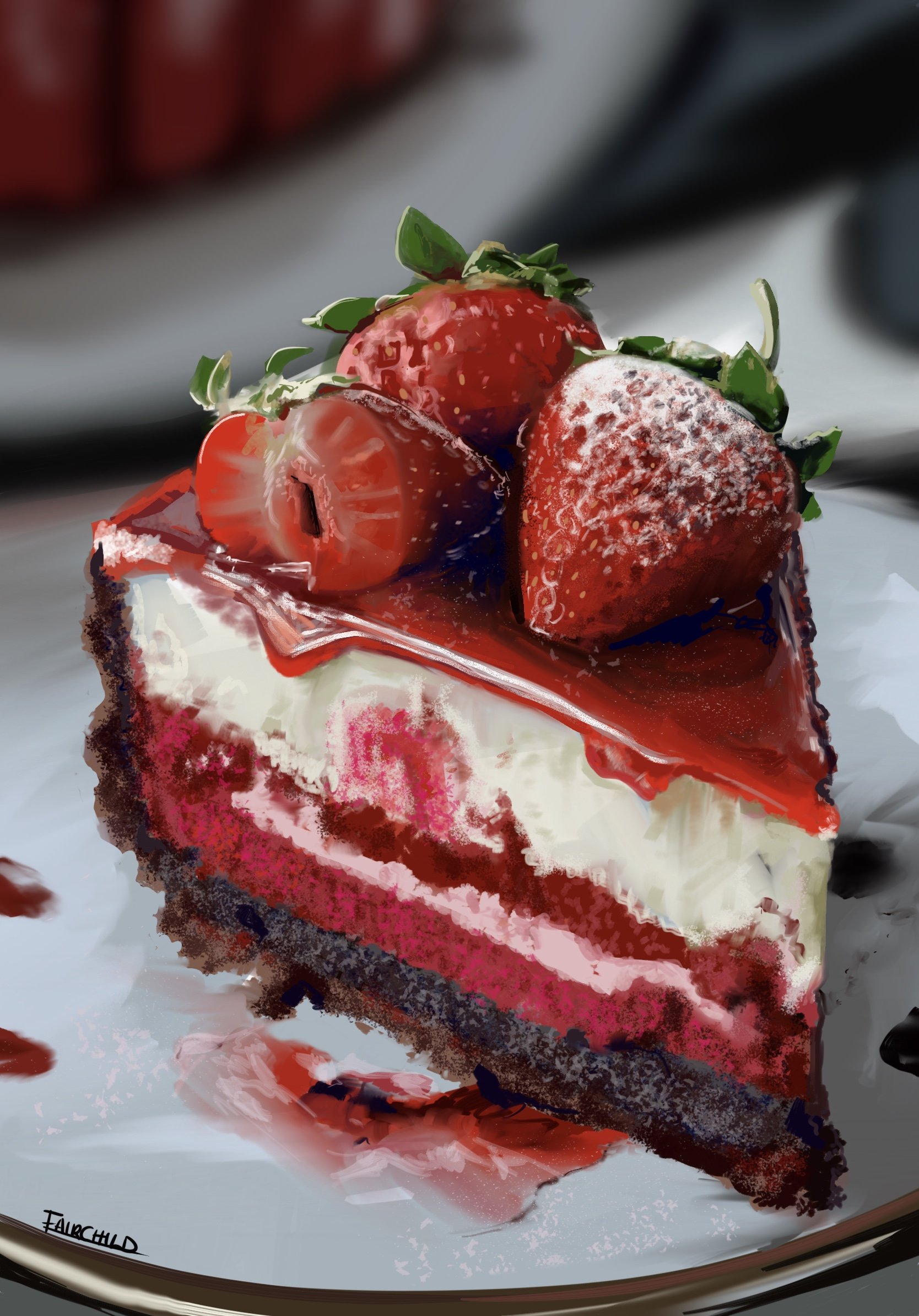
Food art is a form of creative expression that involves drawing, painting, or illustrating food items. This can range from realistic renderings of fruit, vegetables, or desserts to more abstract or conceptual representations. What makes food art so intriguing is that it combines an everyday experience, eating, with the boundless imagination of the artist, creating visual experiences that are both beautiful and often thought-provoking.
Artists often use food as a medium for storytelling, adding layers of symbolism or humor to their work. Whether it’s a meticulously drawn bowl of ramen or a cartoonish take on a hamburger, food art has the power to capture the essence of culture, nostalgia, or even humor.
The Rise of Food Art on Social Media
One of the driving forces behind the rise of food art is social media. Platforms like Instagram, Pinterest, and TikTok have provided a space for food artists to share their creations with a global audience. Food artists use hashtags like #FoodArt and #FoodIllustration to showcase their work, inspiring others to create their own renditions of their favorite meals.
The accessibility and shareability of social media have made food art incredibly popular. Artists can gain recognition and even turn their passion into a career through collaborations with food brands or partnerships with restaurants. The visual nature of food art makes it highly shareable, and it often goes viral for its ability to combine aesthetics with a universal theme, food.
Why Food Art?
So, what is it about food that makes it such an appealing subject for art? For starters, food is something that everyone can relate to. It’s an essential part of our daily lives, and its wide variety offers endless opportunities for exploration in artistic form. The texture, color, and shape of different foods lend themselves perfectly to visual interpretation.
Additionally, food can evoke powerful emotions. A drawing of a warm bowl of soup might remind someone of comfort, family dinners, or home. A vibrant illustration of a fresh fruit salad might invoke feelings of freshness, vitality, and health. Food art has the ability to tap into these sensory memories, making it an emotionally engaging experience for the viewer.
The Techniques Behind Food Art

Food art, like any other art form, requires skill and attention to detail. While some artists may choose to create highly stylized or exaggerated representations of food, others opt for hyper-realism, aiming to make their food illustrations as close to life as possible.
Artists typically use a variety of mediums, including colored pencils, watercolors, markers, and digital tools. Digital artists, in particular, have the advantage of using programs like Photoshop or Procreate to manipulate colors and textures, creating stunningly realistic depictions of food. Traditional artists, on the other hand, may use fine details to highlight the glisten of a fresh strawberry or the smooth texture of whipped cream.
The Fun and Whimsical Side of Food Art
One of the most charming aspects of food art is its ability to be playful and whimsical. Many artists take a lighthearted approach by anthropomorphizing food, turning it into characters, animals, or people. A simple carrot can become a dancing figure, or a cup of coffee might have a smiley face.
Food art also offers an opportunity to experiment with unusual combinations of foods and scenes. Artists can create surreal imagery, such as a pizza slice floating in space or a sushi roll transforming into a bouquet of flowers. These creative possibilities not only demonstrate the artist’s imagination but also invite the viewer to think outside the box.
The Intersection of Food and Culture
Food is deeply intertwined with culture, and food art often reflects cultural identity and heritage. From traditional Italian pasta dishes to Japanese sushi, food art can be a way of celebrating one’s roots. Many artists explore the symbolic meanings behind certain foods, such as the role of food in social gatherings or celebrations.

Food art also serves as a bridge between cultures, showcasing the beauty and diversity of global cuisine. For example, an artist may illustrate a traditional Mexican taco or a classic French croissant, allowing others to appreciate the intricacies of a different culture through food.
The Flavorful Future of Food Art
As we continue to push the boundaries of creativity, food art remains an exciting and ever-evolving genre. Whether it’s hyper-realistic, whimsical, or abstract, food art allows for endless exploration and expression. It reminds us that food is more than just fuel for our bodies, it’s a source of joy, connection, and inspiration.
So, whether you're an artist looking to try something new or someone who simply loves food, consider grabbing a pen or a tablet and drawing your favorite meal. You might just discover a new world of creativity right at your fingertips, one that’s as delightful to look at as it is to eat!
